

Modern multi-purpose robotic complexes (MRTC) are advanced systems capable of performing a wide range of tasks in a variety of industries. Regardless of class – heavy, medium or light – these systems are used in industry, logistics, defense and special services, solving problems that would be too risky or impossible for a person.
What is MRTC?
MRTC are robotic systems designed to operate in a wide variety of conditions and perform complex operations. We design complexes of three classes:
- Heavy class: These robots are designed to operate in extremely hazardous environments, such as high radiation levels, toxic areas, or explosive sites. They are used in nuclear power, hazardous production, defense, and rescue operations, performing tasks that are too dangerous for humans.
- Middle class: middle class robots have an optimal balance between power and mobility. They are used to automate production processes, in logistics and warehouses where high productivity and precision are required.
- Light class: these are compact, maneuverable systems that are used for specific tasks, such as working with radiation-hazardous objects, humanitarian demining, or performing special operations for law enforcement agencies, including the police and rescue services.
Design and development process
- Analysis of tasks and goals. We start with a deep analysis of the customer’s requirements and the operating environment. Particular attention is paid to the conditions in which the robots will operate: from radiation zones to explosive areas. This allows us to develop a solution that is maximally adapted to specific tasks and conditions.
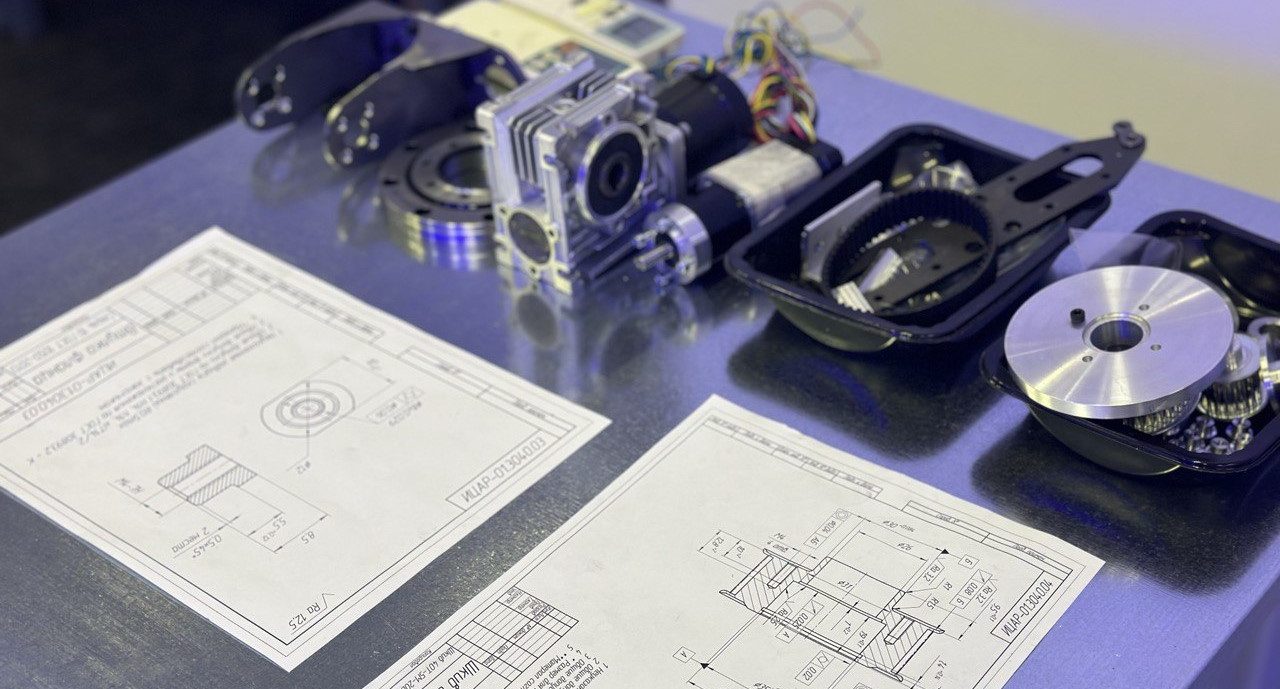
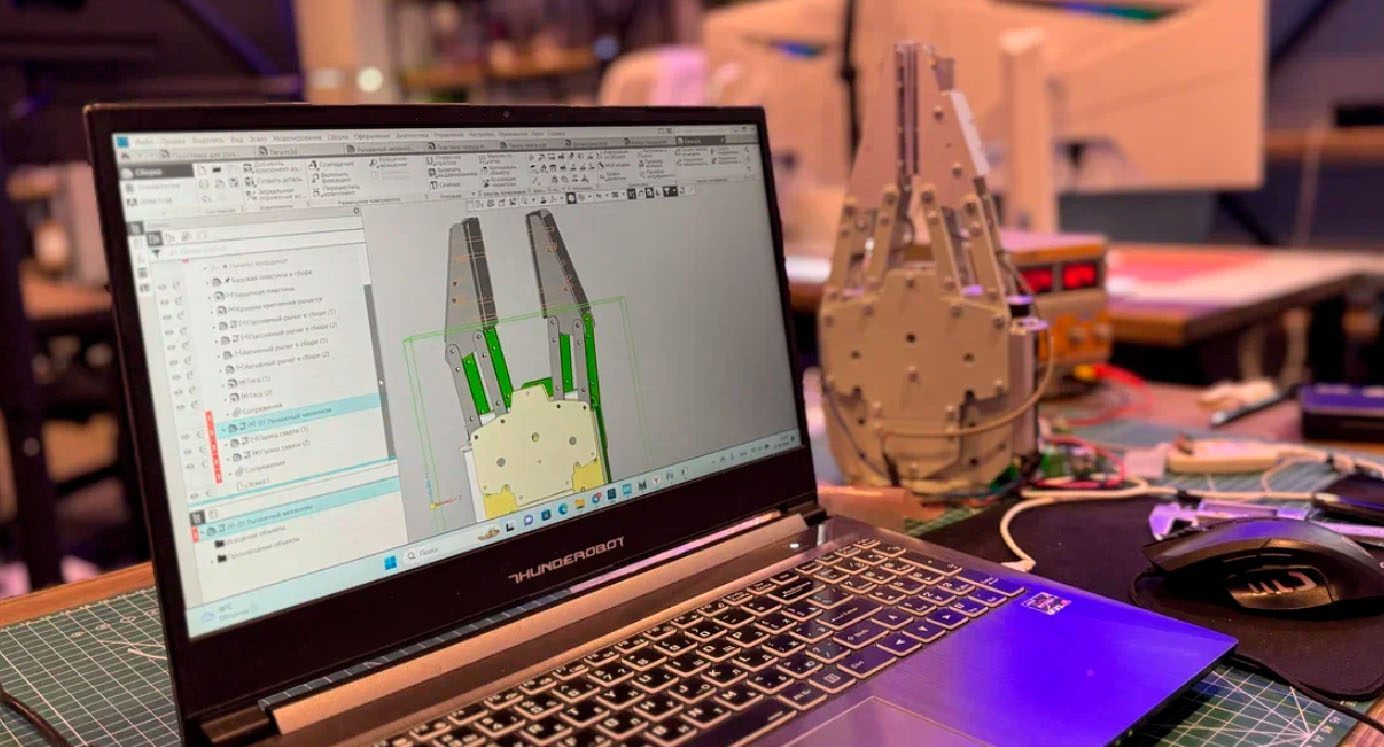
- Engineering design. This stage involves creating the architecture of the robotic system, which includes mechanical components, on-board software, control systems, and sensors. We design systems with safety, reliability, and performance in mind, so they can operate in the most challenging environments.
- Creation of a prototype and testing. Instead of a prototype, a full-fledged prototype of the MRTC is created, which is then sent for comprehensive testing. For this purpose, special testing methods are developed, which include checking all key functions of the robot in conditions close to real ones. Testing allows you to evaluate the operation of the system, identify possible shortcomings and check its readiness for operation in real conditions.
- Optimization and refinement. After testing is completed, detailed refinement of the design documentation is carried out, including adjustment of all technical solutions based on the data obtained. Particular attention is paid to optimizing the on-board software so that the robot functions without failures in real operating conditions. The user interface is also refined to ensure ease of control and interaction with the system. These steps ensure that the robotic complex is fully ready for use and meets all stated requirements.
Advantages of multi-purpose robotic systems
- Flexibility and adaptability: MRTCs can be adapted to solve a wide range of tasks, from working in hazardous conditions to automating production processes.
- Safety: Heavy and light class systems allow for safe execution of tasks that pose a threat to human life, such as work in radiation zones, chemically hazardous environments or mine clearance.
- Autonomy: Control systems allow robots to operate autonomously, minimizing human intervention in dangerous or hard-to-reach areas.
- Reliability and Efficiency: Through careful design, testing and refinement, MRTCs deliver high reliability and performance to reduce risk and improve the efficiency of critical operations.
Multi-purpose robotic systems are innovative solutions that help automate complex and dangerous tasks, making them safer, faster and more efficient. Whether you need a heavy-duty robot or a compact solution for specific tasks, MRTCs offer reliable and proven solutions for your business.